Action is Critical to Save a Person’s Life
When someone has thoughts of suicide, it can impact their mental health and lead to suicidal behaviors or self-harm. Take action to get them help.
Action Steps and Guidance to Help Someone
Ask
Ask them “Are you thinking about suicide?”
It’s not an easy question to ask. Yet it can help start a conversation. Studies show that when you ask a person if they are suicidal it does not increase suicidal behavior or thoughts.
Be There
Listen to them without judgment.
This is key to learn about what the person thinks and feels. Research suggests that when you acknowledge and talk about suicide it may reduce suicidal thoughts.
Keep Them Safe
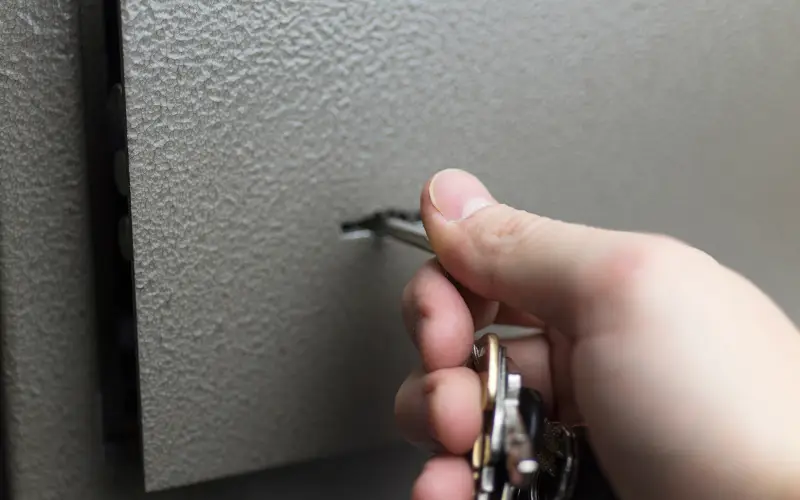
It’s important to ask a person about suicide and make sure they have less access to lethal means. This can help them stay safe when they are having suicidal thoughts.
Help Them Connect
This gives them a safety net when they need it most. You can also help them reach out to trusted people they know. This may include family members, friends, religious or spiritual advisors, or mental health professionals.
Follow Up
Stay in touch with a person after a crisis.
This can make a difference. Studies show that supportive, ongoing contact can play an important role in suicide prevention.
When to Call or Text 988
- If a person expresses suicidal thoughts or behaviors
- If a person has other mental health crises (anxiety, depression, etc.)
- If a person expresses paranoia
- If a person expresses abusive behavior
- If a person has ongoing substance use concerns
What 988 Offers
- Access 24 hours a day, 7 days a week
- Support in English or Spanish
- Contact via call, text, or chat
- Trained crisis counselors
- Support for veterans
- Support for LGBTQ+ individuals
When to Call 911
Call 911 if a person:
- is threatening to hurt themselves or others
- needs emergency medical attention
- may have overdosed on a substance or mediation
What to Say to 911 Operators
- Say “I need help for a mental health crisis.”
- Describe the person’s mental state:
- “They are not violent, but they are in emotional distress.”
- “They are talking about suicide and need help.”
- “They are confused, disoriented, and might hurt themselves.”
- “They are unarmed. They are not violent.”
- Ask “Can you send someone who is trained in mental health crisis management?”
What to Say to 911 Operators
Here’s a complete example of what you can say to 911 operators:
- “I need help with a mental health emergency. My [family member/friend] is experiencing a mental health crisis. They are not violent and have no weapons. They are talking about harming themselves. Please send someone trained in mental health. They’re currently sitting in the living room, calm but upset.”
Resources on How to Help People
There are many ways you can help someone. Use these resources to find action steps, data, and information on how to help when a person has thoughts of suicide.
Courses
Free courses to learn about action steps, data, and how to help when a person has thoughts of suicide.
CALM: Counseling on Access to Lethal Means
This is a free, self-paced, online course for health care and social services providers. CALM can help you feel prepared to talk with a person about how to keep them safe from lethal means. The term lethal means refers to objects or means used to carry out harm to oneself. This may include firearms, medicines, and bridges, for example.