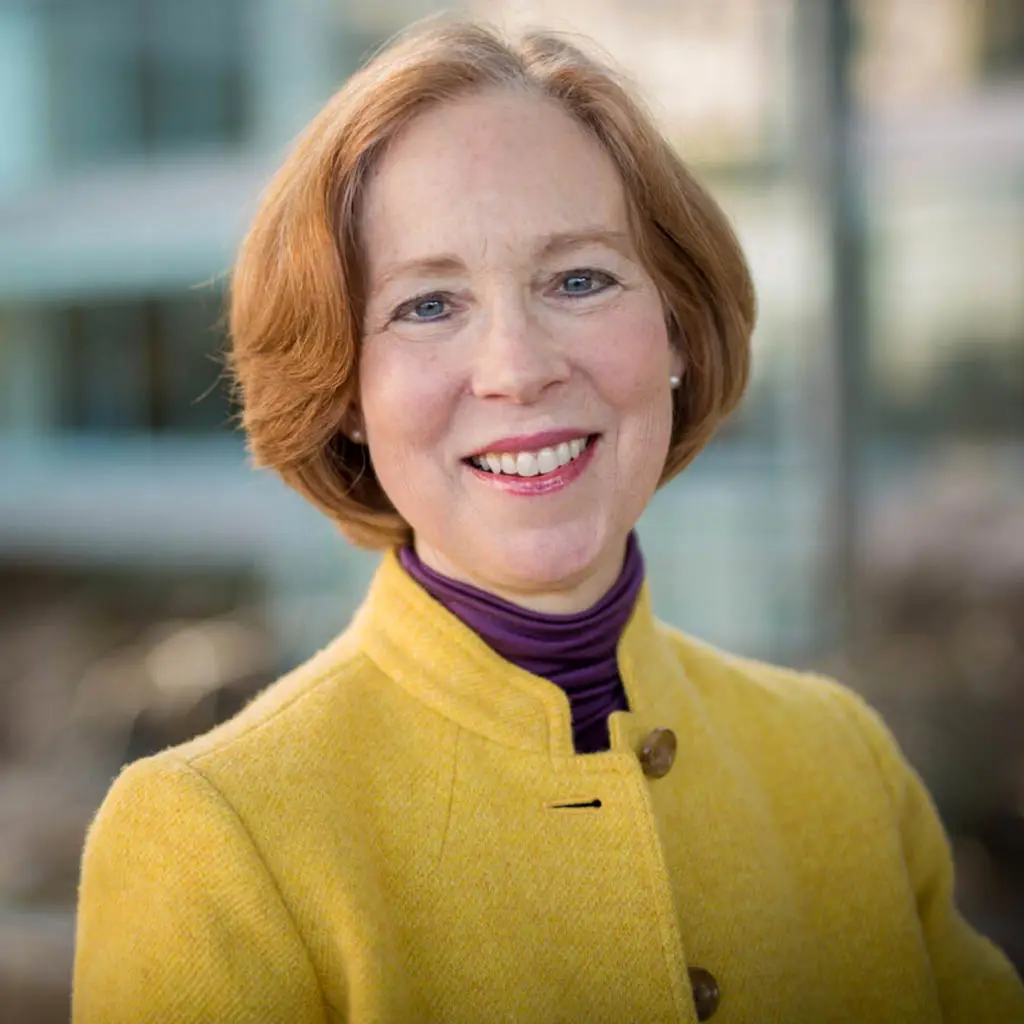
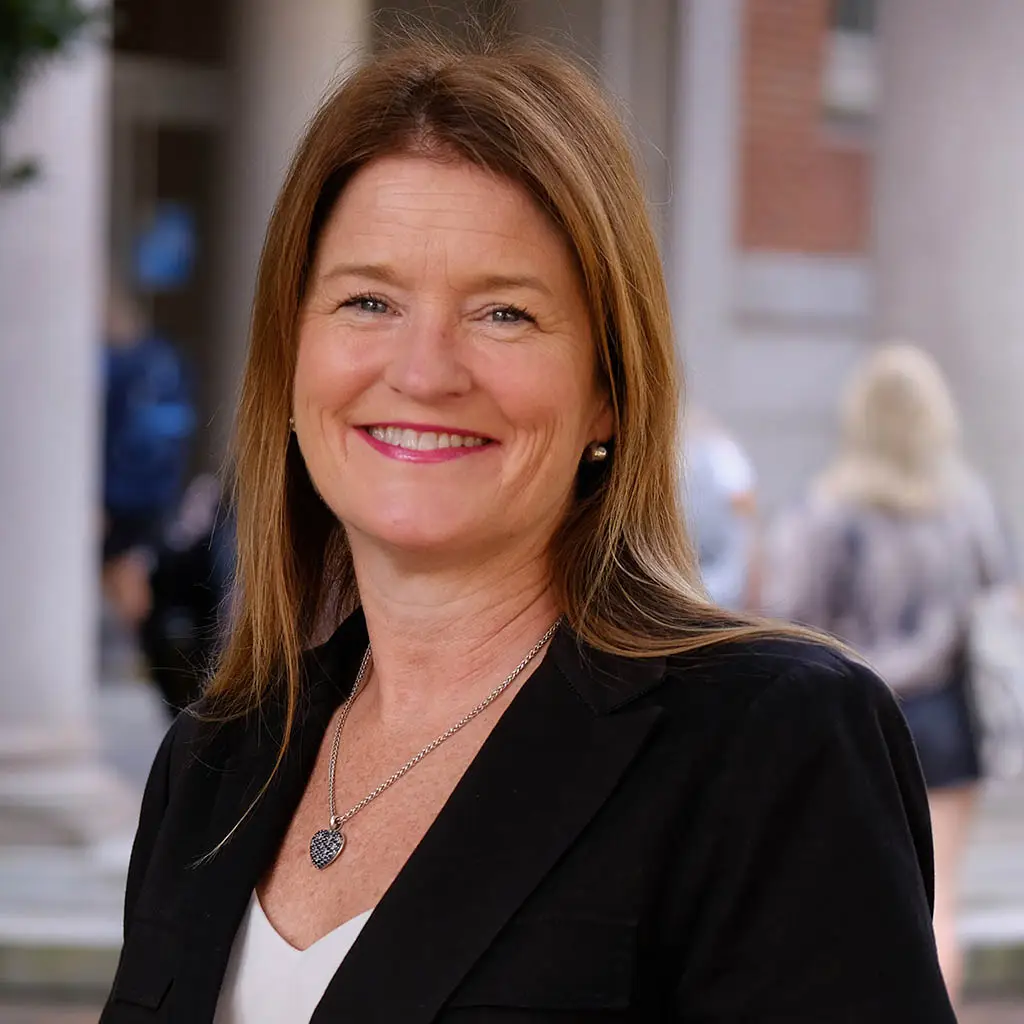
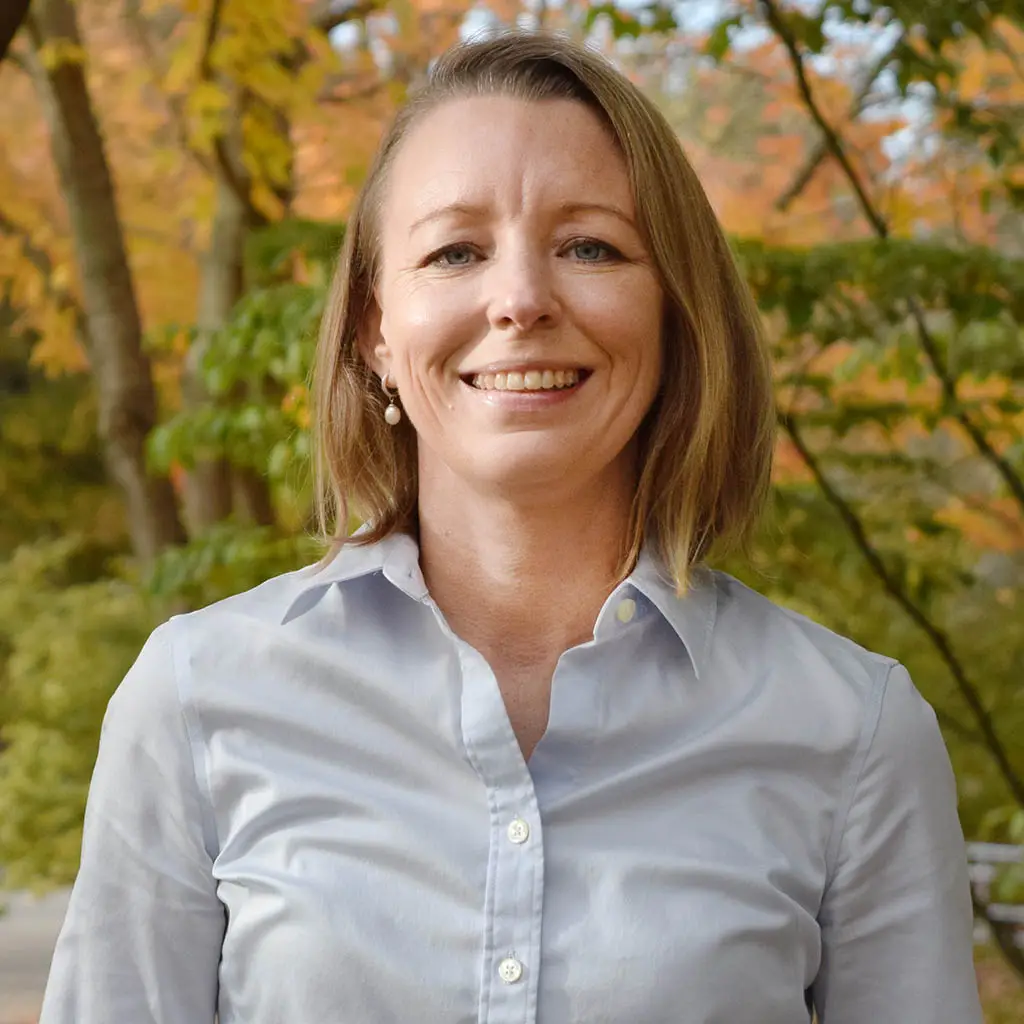
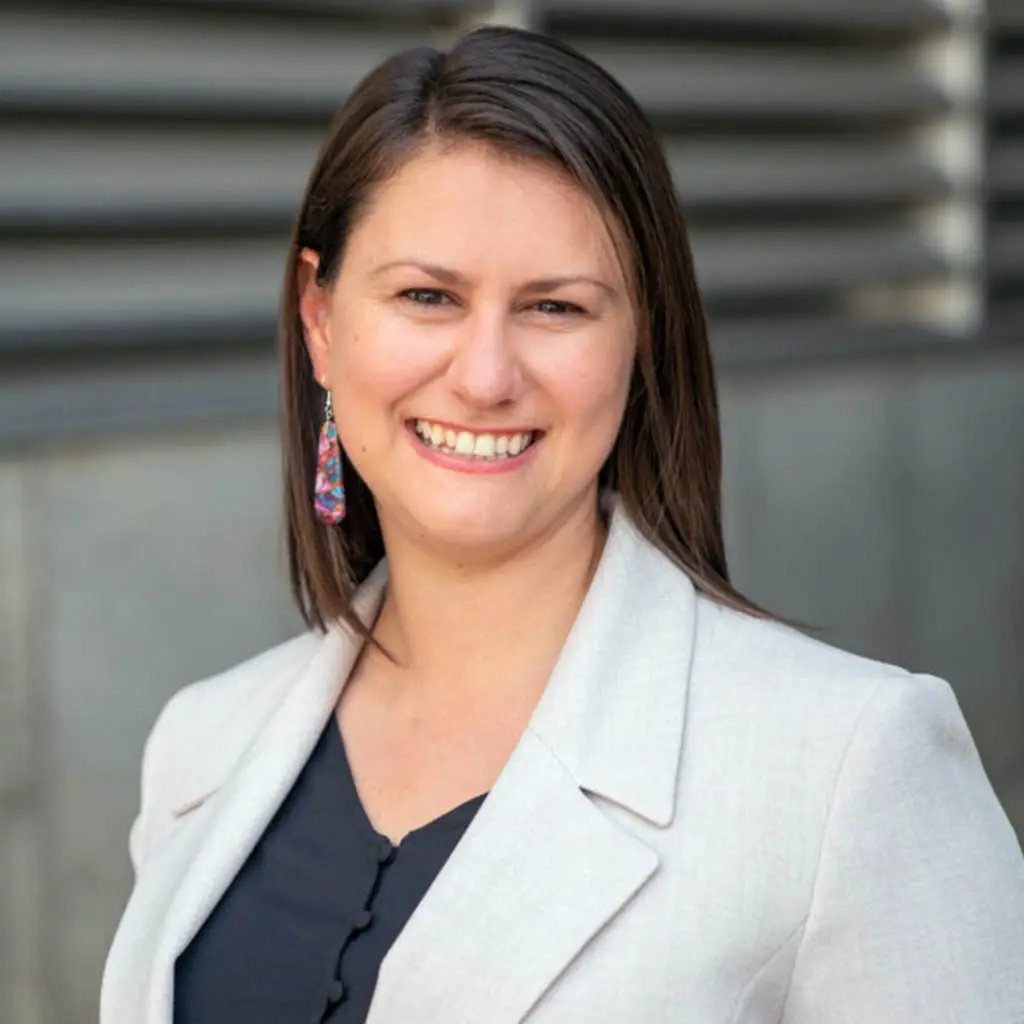
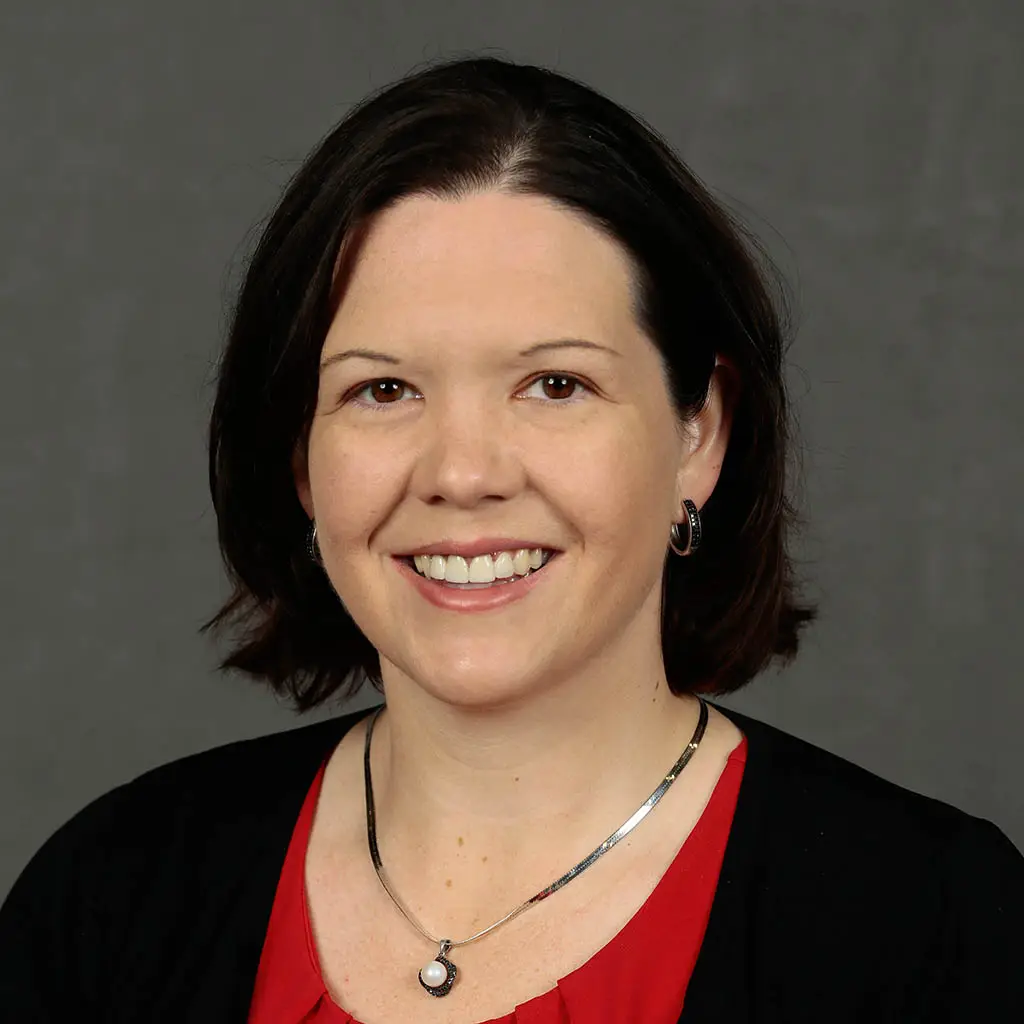
Clinical psychologist Cynthia M. Bulik, PhD, FAED, is the Founding Director of the University of North Carolina Center of Excellence for Eating Disorders, Distinguished Professor of Eating Disorders in the School of Medicine at the University of North Carolina at Chapel Hill, and Professor of Nutrition in the Gillings School of Global Public Health. She is also a Professor in the Department of Medical Epidemiology and Biostatistics and Director of the Centre for Eating Disorders Innovation at Karolinska Institutet in Stockholm, Sweden.
Her research spans animal models to clinical trials, with her most transformative work emerging from family, twin, and molecular genetic studies that have clarified the role of genetic factors in eating disorder risk. She has held leadership roles in all major genetic investigations of eating disorders.
Dr. Bulik has received numerous honors, including lifetime achievement awards from the National Eating Disorders Association, the Academy for Eating Disorders, and the International Society of Psychiatric Genetics. She has authored over 770 peer-reviewed publications, 60 book chapters, and seven books on eating disorders. From 1991 to 1996, she served as Lecturer and Senior Lecturer in the Department of Psychology at the University of Canterbury and is currently Honorary Professor in the Department of Psychological Medicine at the University of Otago, Christchurch School of Medicine.
Prof. Bulik is a past President of the Academy for Eating Disorders, past Vice President of the Eating Disorders Coalition, and former Associate Editor of the International Journal of Eating Disorders. She serves on advisory boards for several advocacy organizations and is the founder and co-chair of the Eating Disorders Working Group of the Psychiatric Genomics Consortium.
For more information, visit http://cynthiabulik.com.
Free and confidential. Available 24/7/365. Connect with a real, qualified person who can support veterans and family members. You don’t have to be enrolled in VA benefits or health care to call.
Free and confidential. Available 24/7/365. Trained counselors who understand the challenges LGBTQ+ young people face and provide judgement-free support.
Free and confidential. Available 24/7/365. Exclusively for current and former law enforcement personnel and their families. Staffed by trained and compassionate retired officers.
Free and available 24/7/365 (English only). Staffed by certified peer support specialists who have personal experiences with mental health or substance use issues.
Free and confidential. Open Monday-Friday from 8:30am-5:00pm. Trained staff and volunteers can help individuals and family members who are impacted by mental health concerns.
Free and confidential. Available 24/7/365. Staffed by trained Community Resource Specialists who can make referrals to verified resources for basic needs such as housing and utility assistance, food, health care, transportation, and more.
Free and confidential. Available 24/7/365 in English and Spanish. It serves individuals and family members who face mental and/or substance use disorders and offers referrals to local treatment options, support groups, and community-based organizations.
Free and confidential. Available 24/7/365 in multiple languages. Staffed by trained counselors and open to anyone who experiences emotional distress related to disasters (survivors, loved ones, first responders, clergy, rescue and recovery workers, and more).
This website uses cookies and similar technologies to understand visitor experiences. By using this website, you consent to UNC-Chapel Hill’s cookie usage in accordance with their Privacy Notice.